Havering council green waste rules Elm Park gardeners guide
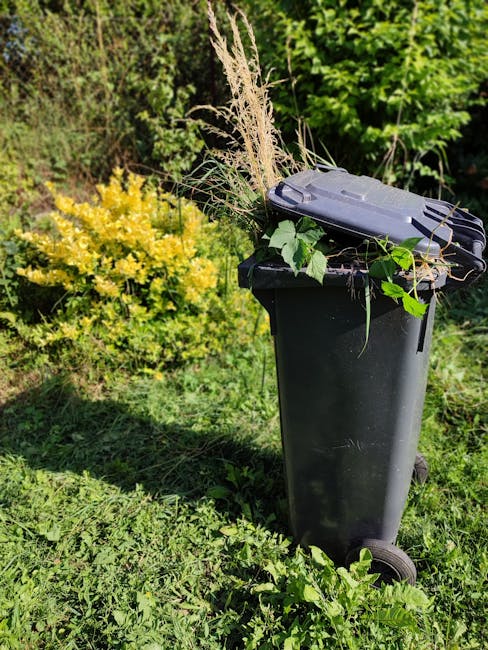
If you garden in Elm Park, green waste sounds simple until bin day arrives and the heap by the fence suddenly looks bigger than your wheelie bin will tolerate. Twigs, hedge cuttings, grass clippings, ivy, leaves, soil-dusted roots... all of it has to go somewhere, and local collection rules can make the difference between an easy tidy-up and an annoying, messy delay. This Havering council green waste rules Elm Park gardeners guide brings the process down to plain English, with practical steps for keeping your garden tidy, avoiding contamination, and making the most of what can be collected. It is written for real gardens, real weather, and the slightly chaotic state a garden often reaches after a windy weekend.
Truth be told, most gardeners do not need a lecture. They need to know what goes in, what stays out, how to prepare it, and what to do when the pile is too big for one collection. That is what follows here.
Why Havering council green waste rules Elm Park gardeners guide Matters
Green waste rules matter because garden waste is not just "stuff from the garden". In council terms, it has to be handled in a way that keeps collections safe, efficient, and suitable for composting or further processing. If the wrong material ends up in the bin, the whole load can be affected. That can mean missed collection, a rejected bin, or a load that needs sorting later. Nobody wants to drag a heavy bin back up the path because a few bits of plastic were left in the trimmings.
For Elm Park gardeners, the rules also shape how you plan seasonal work. A hedge cut after a trim, a lawn cut after rain, a border clearance in autumn, or a full tidy-up after a neglected patch each creates different types of waste. If you know the rules ahead of time, you can work smarter: separate materials properly, reduce trips, and avoid that end-of-job scramble where you are trying to decide whether a rose cane is green waste or whether the old compost bag can be reused. Small decisions, but they add up.
There is also a sustainability angle. Correctly sorted green waste is more likely to be composted or processed responsibly. That supports a cleaner local system and reduces avoidable contamination. In practical gardening terms, it also encourages better habits around pruning, mulching, and repurposing plant material. If you already care about soil health, water retention, and less waste going to landfill, you will feel the logic straight away.
For broader garden improvement work, good waste handling ties in neatly with routine garden maintenance and even planned refreshes like landscaping. Waste management is often the unglamorous part of a project, but let's face it, it can make or break the whole experience.
How Havering council green waste rules Elm Park gardeners guide Works
At a practical level, the system usually works by asking residents to present garden waste in the correct container or by the correct collection method set by the council. The exact setup can change over time, so the safest approach is to treat the council's current instructions as the final word. What does not change much is the underlying principle: green waste should be clean, plant-based, and free from contamination.
The main thing to understand is that green waste is different from general rubbish. Grass cuttings, hedge trimmings, leaves, weeds, small branches, and prunings are typically the core materials people think of. But the moment soil sacks, plant pots, stones, dog waste, treated timber, or general household rubbish creep in, the load becomes a problem. Think of it like making tea: a little bit of the wrong ingredient changes the whole cup. Gardening works the same way, oddly enough.
Many Elm Park homeowners also garden in bursts rather than in one neat rhythm. You might do a quick mow on Saturday, a border cutback the next week, and a full clean-out before winter. That means your waste stream is mixed across the month, not just on one day. To manage that, it helps to separate waste as you work: soft green material in one place, woody material in another, and non-organic debris somewhere else entirely.
If your garden produces a lot of prunings, it can also help to think in layers. For example, thorny clippings and woody stems are best handled with tree surgery support when the work gets beyond ordinary pruning, while routine hedge shaping is better kept organised through hedge trimming in Elm Park. That distinction matters because larger woody waste often needs a different plan from softer garden debris.
What usually counts as green waste
- Grass cuttings
- Leaves and leaf litter
- Hedge trimmings
- Weeds, roots and small plant matter
- Flowers, stems and prunings
- Small twigs and light woody cuttings, if accepted under the current rules
What usually should not be mixed in
- Plastic bags and bin liners unless specifically allowed by the collection method
- Plant pots, compost tubs or labels
- Soil in large quantities
- Stones, rubble and hardcore
- Food waste
- General household rubbish
- Painted or treated wood
The simplest approach is this: only put in what you would confidently describe as natural garden material. If you have to pause and wonder whether it belongs, it probably does not.
Key Benefits and Practical Advantages
Following the rules properly gives you more than compliance. It saves time, reduces stress, and keeps your outdoor space easier to manage. The benefits are small day to day, then suddenly huge when you are in the middle of a proper clear-up and everything is going smoothly.
- Cleaner collections: fewer rejected loads and fewer surprises on collection day.
- Better sorting habits: easier separation between compostable material, reusable mulch, and waste that needs another route.
- Less mess around the home: tidy staging areas reduce windblown leaves and loose clippings.
- More efficient gardening: you can prune, mow, and clear with a disposal plan already in mind.
- Lower risk of contamination: no hidden plastic tags, ties, or broken pot fragments in the pile.
- Better seasonal planning: autumn leaf drops and spring cutbacks become manageable rather than overwhelming.
There is a quieter benefit too. Good waste handling makes a garden feel looked after. A neat pile of trimmings waiting for collection, or a compost heap that is properly fed and not overloaded with rubbish, gives a sense of order. You notice it especially after a wet spell, when the garden smells green and earthy and everything seems to grow faster than you can cut it back.
For gardens that lean towards low-input upkeep, the right waste routine can also support a more sustainable design. If that is your goal, it is worth reading about low-maintenance garden ideas and repurposing waste into soil gold. Those ideas pair nicely with sensible green waste habits.
Who This Is For and When It Makes Sense
This guide is for anyone in Elm Park who ends up with a pile of cuttings and wants to deal with it correctly the first time. That includes homeowners, tenants with gardens, landlords managing rental properties, and people maintaining small front plots or larger back gardens. If you only trim a few shrubs twice a year, the rules still matter. If you are cutting hedges every few weeks, they matter even more.
It is especially relevant if you:
- do regular lawn and hedge maintenance
- clear ivy, brambles or overgrowth
- prepare the garden for winter or spring
- have children or pets and need a safer tidy-up routine
- use a gardener or gardening service and want to understand what should happen with the waste
The "when it makes sense" part is straightforward. If your garden waste is small, you may be able to keep on top of it with your normal collection process. If the project is larger, it is sensible to organise a clear waste strategy before you start. That is usually the moment people call for help with garden maintenance support or book related services such as lawn mowing in Elm Park. The job feels lighter when the waste plan is already decided.
One thing we see often: someone starts by removing a few weeds and ends up with half a wheelbarrow of roots, stems and clumps of soil. Fine, that happens. But if the space has been neglected for a while, waste volume can escalate quickly. In that situation, a proper tidy-up approach saves a second round of effort later.
Step-by-Step Guidance
If you want to stay on the right side of the Havering council green waste rules, a methodical approach is best. Here is a practical order that works well for most Elm Park gardens.
- Separate green waste at the point of cutting. Do not wait until the end. Put prunings, grass and leaves into one area as you go.
- Remove contamination immediately. Pull out plastic, labels, wire, plant supports and any general rubbish the moment you spot it.
- Keep woody and soft material apart if needed. Heavy branches behave differently from grass and leaves, and they can be awkward in a single bag.
- Shake off excess soil. A little residue is normal, but large amounts of soil are a separate issue and may not be acceptable.
- Cut bulky waste down to size. Long stems and oversized trimmings are harder to handle and take up more space than they need to.
- Use the right container or presentation method. Follow the collection instructions you have been given, and avoid overfilling.
- Store waste neatly before collection. Keep it dry where possible, and stop it blowing across paths or driveways.
- Check the collection day rules. Timing matters. Miss the window and you are suddenly living with a pile of cuttings for another week.
If you are dealing with thicker growth, such as ivy or climbing plants, a little extra care is useful. Our experience is that people underestimate how quickly ivy regrowth can happen once stems are left in the wrong place. A helpful companion read is how to remove and prevent ivy regrowth. That is one of those jobs that looks simple until the next week, then the stems come back like they never left.
For shady or awkward corners where waste often accumulates, the right planting choices can also reduce future maintenance. See evergreen climbers for shade and ground cover options for UK gardens if you want to cut down on weed pressure and bare-soil mess.
A simple prep routine before collection
- Rake leaves and small cuttings into one pile
- Snip long stems into manageable lengths
- Check for ties, tags, tape and pot fragments
- Lift heavy bags carefully, not with a twist from the back
- Set everything out only when it is ready
That last point sounds obvious, but honestly, it saves headaches.
Expert Tips for Better Results
Once you understand the basic rules, the gains come from small habits. The best gardeners are not always the ones doing the fanciest work. Often they are simply better organised. A little planning turns a scruffy waste pile into an easy routine.
Tip 1: trim in stages. If you are doing hedge work, cut lightly and often rather than letting the hedge get wild and then taking huge amounts off at once. The waste is easier to manage, and the plant usually responds better.
Tip 2: keep a "clean hand" and "dirty hand" system. One hand or one tool removes the plant material, the other checks for contamination. Slightly nerdy, yes, but practical.
Tip 3: mulch what you can. Not all green waste needs to leave the garden. Healthy leaf mould, shredded prunings, and compostable material can support soil improvement if used correctly. For a deeper look at this approach, the article on turning garden waste into soil gold is genuinely useful.
Tip 4: cut when the waste is drier. Wet grass and soaked leaves are heavier, sloppier and more likely to stick together. On a damp November morning, the bin can feel twice as full for the same amount of material. Not fun.
Tip 5: think about the end use before you start. If a job will create a lot of debris, decide in advance whether it is going to collection, compost, or a separate disposal route. That simple question saves time later.
Tip 6: keep pathways clear. Piles waiting for collection can get kicked around by pets, children or the wind. A tidy staging area prevents that extra mess nobody wanted.
For wider garden resilience, it also helps to plan around weather. If you are already preparing for storms, read how to fortify a garden against extreme weather. Strong winds and soggy borders can turn neat cuttings into scattered debris very quickly.
Common Mistakes to Avoid
Most collection problems come from a short list of avoidable mistakes. None are dramatic. They are just the kind of thing that happens when you are rushing and think, "that'll probably be fine." Often it won't.
- Mixing green waste with household rubbish. A tea bag in the bag is not the end of the world; a whole dustpan of general waste is another matter.
- Leaving plastic plant labels in trays and cuttings. These tiny bits are easy to miss and hard to sort later.
- Overfilling containers or bags. If the lid will not close, the load is already too much.
- Putting in large amounts of soil. Soil is not the same as garden trimmings, and heavy clods can cause problems.
- Ignoring woody material rules. Thick branches may need a different handling approach.
- Leaving waste outside too early. Wind and rain can spread it before collection day.
- Assuming last year's practice still applies. Council arrangements can change. Always check current guidance.
Another common issue is losing track of what was cut from where. For example, ivy pulled from a fence line, hedge clippings from the front garden, and dead stems from a border all get bundled together. If it is all plant matter and clean, that is fine. But once the bucket includes broken pot shards or old twine, the whole thing becomes a sorting job. A bit of discipline saves a lot of muttering.
If overgrowth is getting in the way of safe access or tidy waste handling, it may be time to look at reclaiming a neglected garden oasis before the problem grows larger than one collection can comfortably manage.
Tools, Resources and Recommendations
You do not need a shed full of kit to handle garden waste properly, but the right tools make the job less frustrating. A few good basics go a long way.
| Tool or item | Best use | Why it helps |
|---|---|---|
| Rake | Leaves, loose grass and light debris | Quickly gathers scattered waste into one place |
| Wheelbarrow | Moving cuttings and heavier loads | Reduces repeated carrying and strain |
| Heavy-duty garden bags | Temporary storage before collection | Helps keep material contained and tidy |
| Secateurs or loppers | Cutting down bulky stems | Makes waste easier to store and handle |
| Tarpaulin | Collecting and dragging cut material | Handy for larger clear-ups, especially on damp grass |
| Gloves | Handling thorny or gritty waste | Protects hands and improves grip |
For anyone doing regular tidy-ups, the right gear also matters. A practical guide to gardening gear for everyday use is a good place to start if you want a better routine without overbuying.
Useful resources in the everyday sense include:
- your current council collection instructions
- your garden calendar, so you can plan cutbacks around collection timing
- a simple composting setup if you want to reuse some material
- a permanent spot for staging waste so it does not block access
And if you want the easiest path rather than the DIY learning curve, consider booking a local service that handles cuttings, trimming, and tidy-up work in one go. General gardening services can be a sensible route when the garden has become a bit much. No shame in that. Gardens can run away from us all.
Law, Compliance, Standards, or Best Practice
When people search for green waste rules, they usually want practical instructions, not a legal seminar. Fair enough. But there are a few compliance principles worth understanding.
First, local collection rules are not optional decoration. If the council has specified what can go in a green waste container or how it should be presented, following those instructions is part of using the service properly. Second, contamination matters because garden waste is often processed for composting or similar treatment. Mixed-in rubbish can create extra sorting, extra cost, or a rejected load.
Third, householders and gardeners still have a general responsibility to manage waste safely and sensibly. That means preventing waste from blowing into the street, avoiding trip hazards, and keeping organic material separate from anything that could contaminate it. If you are arranging work through a gardening company, it is also sensible to check their approach to safety, waste handling, and site care. Pages such as health and safety policy, terms and conditions, and insurance and safety are worth reading before any larger job.
Best practice is often simple: keep green waste clean, keep it contained, and keep it separate. That is the standard to aim for even when the collection system changes or your garden workload gets a bit chaotic. A good habit today saves a hassle next month.
Options, Methods, or Comparison Table
There is more than one sensible way to handle garden waste in Elm Park. The best choice depends on the size of the job, the type of waste, and how often you garden. Here is a straightforward comparison.
| Method | Best for | Pros | Limitations |
|---|---|---|---|
| Council green waste collection | Routine trimmings, leaves, lawn cuttings | Convenient, familiar, suitable for ongoing maintenance | Must follow the exact rules and collection timing |
| Home composting | Leaves, soft prunings, kitchen-compatible organic matter | Reduces waste, improves soil, keeps material on site | Needs space, balance, and a bit of patience |
| On-site mulching | Shredded prunings and healthy plant matter | Feeds borders, reduces disposal volume | Not suitable for all waste types or diseased material |
| Professional garden clearance | Overgrown plots, heavy cutbacks, large seasonal jobs | Fast, tidy, less effort for you | Usually costs more than DIY, but can be worth it |
If you are clearing a garden that has been left a while, professional help can be the calmest route. The difference between a weekend of stress and a single organised visit is often bigger than people expect. If that sounds like you, landscaping support or tree surgery may be the right fit depending on the scale of the work.
Case Study or Real-World Example
Here is a very typical Elm Park scenario. A homeowner starts with a routine spring tidy: grass needs a cut, a few shrubs have grown soft and leggy, and the hedge along the boundary is dropping small clippings everywhere. Nothing dramatic. Then the work begins, and suddenly there are more bags than expected, a couple of thorny stems, and a patch of old leaves trapped behind the shed. Standard garden story, really.
Instead of mixing everything together, the waste is split into three piles: soft green material, woody cuttings, and non-organic debris. The soft material goes into the green waste system as instructed. The woody bits are trimmed down and handled separately. The broken plant labels and an old piece of string are removed before the final bag is set out. The job takes a little longer at the start, but collection day is smooth, and the garden looks cleaner for it.
What made the difference? Not special equipment. Just sorting early, not waiting until the end, and not assuming everything "garden-related" can sit together. That same approach works whether the job is a quick lawn tidy or a full reset after a stormy month.
If your own plot is more than a light tidy, you may also find value in reading weed prevention tactics and winterising garden plants. Both help reduce the amount of waste and surprise clear-up work later on.
Practical Checklist
Use this checklist before you put any garden waste out for collection:
- Have I separated garden waste from household rubbish?
- Have I removed plastic, twine, plant tags and other contamination?
- Are the bags or containers within the accepted size and weight for easy handling?
- Have I shaken off excessive soil and removed stones or rubble?
- Have I cut large stems or branches down to manageable pieces?
- Is the waste dry enough and stored neatly so it will not blow around?
- Do I know the correct collection day and presentation rules?
- Have I set aside any bulky woody material for another route if needed?
- Would composting or mulching part of this material make more sense?
- Have I checked whether this is a one-off clearance or part of a regular routine?
Quick expert summary: keep green waste clean, keep it separate, and keep it manageable. If it looks mixed, heavy, or suspiciously like general rubbish, sort it again before collection day. Simple, but effective.
Conclusion
The easiest way to stay on top of Havering council green waste rules in Elm Park is to treat garden waste as part of the job, not an afterthought. When you plan for it from the first cut, everything gets easier: fewer mistakes, less mess, better collections, and a garden that feels cared for rather than constantly half-finished. That is the real win.
Whether you are keeping a compact town garden tidy, tackling a hedge that has gone a bit rogue, or clearing a neglected patch that has been quietly building character for too long, the same principles apply. Separate the waste, keep it clean, and choose the right disposal route for the amount and type of material. Do that, and you will spend more time enjoying the garden and less time wrestling with bags. Which, to be fair, is exactly how it should be.
If you would like help with garden clearing, trimming, or ongoing maintenance in Elm Park, it is sensible to speak to a local specialist who understands both the garden and the practical side of getting the waste sorted properly.
Get a free quote today and see how much you can save.
Frequently Asked Questions
What counts as green waste for Elm Park gardeners?
Green waste usually means plant-based material such as grass cuttings, leaves, hedge trimmings, weeds, small prunings and flowers. Anything non-organic, such as plastic or rubble, should stay out.
Can I put soil in my green waste bin?
Large amounts of soil are usually not treated the same as garden trimmings. A little residue on roots is common, but big clumps of soil can cause problems, so it is best to check the current collection guidance.
Do I need to remove plant pots and labels before collection?
Yes, that is best practice. Pots, labels, ties and bits of packaging are contaminants and should be removed before the waste is presented.
What should I do with thick branches or woody cuttings?
Thick branches may need a separate disposal approach depending on current collection rules. If the material is substantial, cutting it down or arranging a different route is usually the sensible option.
Can I mix hedge trimmings with grass cuttings?
Yes, if both are clean green waste and the collection rules allow it. It is still wise to keep the material tidy and remove anything non-organic first.
What happens if my green waste is contaminated?
Contamination can lead to the waste being rejected or requiring extra sorting. In practice, that may mean delays or the need to re-present it correctly.
Is home composting better than council collection?
It depends on your garden size, the material you produce and how much space you have. Composting is great for some waste, but council collection can be easier for larger or more awkward volumes.
How can I reduce the amount of green waste I produce?
Regular pruning, better plant selection, mulching, and weed prevention all help. Low-maintenance planting can make a noticeable difference over time.
Can a gardener handle the waste for me?
Often yes, but it is worth confirming how they manage collection, disposal and site clean-up. For bigger jobs, ask about their waste handling process before work starts.
Why does my garden waste seem heavier in autumn and winter?
Wet leaves, damp grass and soaked cuttings weigh much more and take up more space. Seasonal moisture is a big part of it, especially after a run of rainy days.
Should I bag green waste or leave it loose?
Use the presentation method allowed by the current collection system. The main aim is to keep the material contained, easy to handle and free from contamination.
When should I call for professional help rather than doing it myself?
If the garden is overgrown, the waste volume is large, or you simply do not have the time, professional help can save a lot of effort. It is especially useful for bigger clearances, hedge work and heavy seasonal tidy-ups.